Hila Kulik Trio 29.04.26 A-Trane
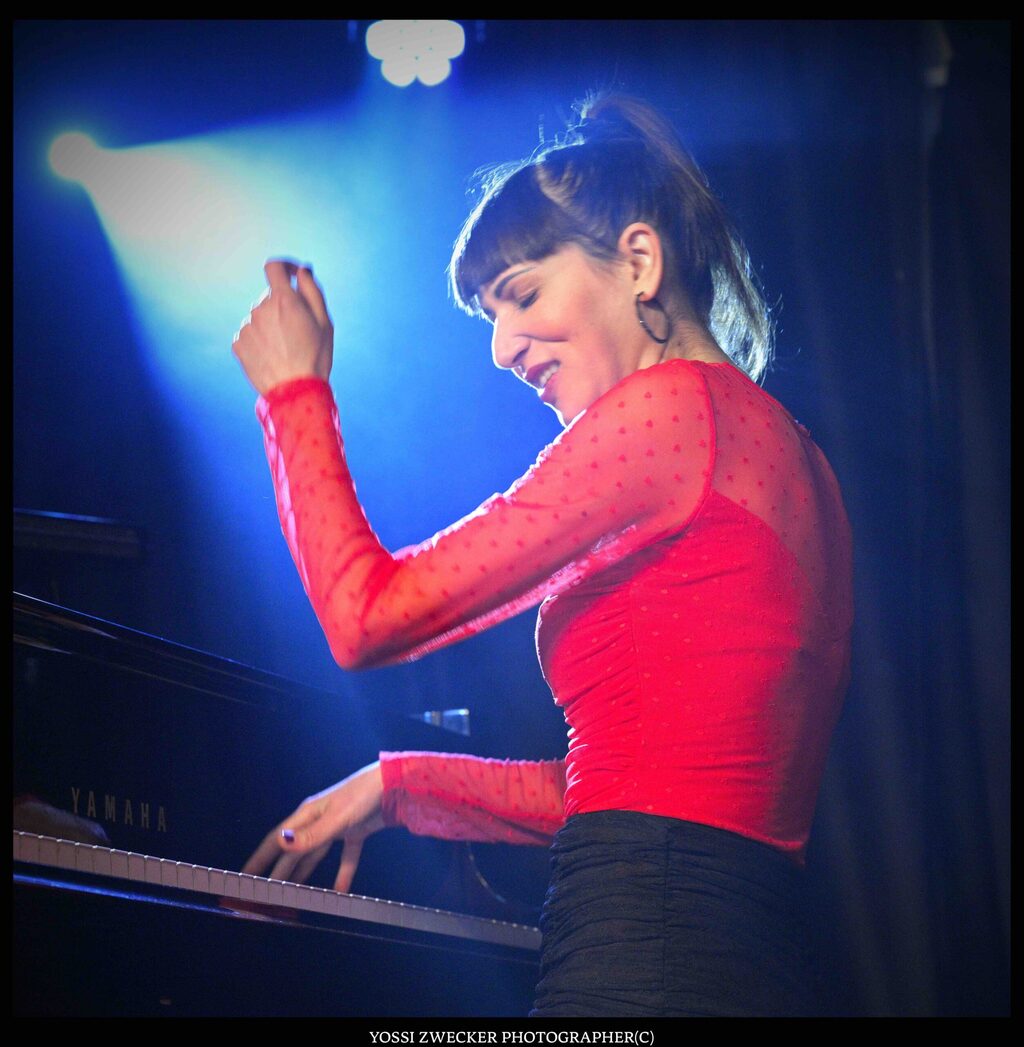
Hila Kulik Trio 29.04.26 A-Trane
Heimspiele
Mittlerweile sind die Jazz Clubs in Berlin alle „Heimspiele“ für die Pianistin Hila Kulik geworden, insbesondere das A-Trane, von dem Hila begeistert ist und dort ist es der fantastisch gute Steinway-Flügel. Also, Heimspiel und Anstoß, der von Hila sicher ausgeführt wird und sofort klarmacht, wer hier das Spiel bestimmen und ja, gewinnen wird – ihre Musik, Ihr Jazz, ihr Piano-Spiel. Aber last not Least ist es das Publikum. Und das ist aufgefordert, was zu tun? Klar doch. Hingehen!
Home Games
By now, all the jazz clubs in Berlin have become “home games” for pianist Hila Kulik, especially the A-Trane, which Hila loves—and there’s that fantastically good Steinway grand piano. So, a home game and the kickoff, which Hila executes with confidence and immediately makes it clear who will dictate the game here—and yes, win—her music, her jazz, her piano playing. But last but not least, it’s the audience. And what are they invited to do? Of course. Go there!
Hila Kulik – Piano
Marc Michel – Drums
Elam Friedlander – Double Bass
Was wird zu hören sein?
Impressionen vom letzten Konzert am 18.11.25 im A-Trane:
Hila Kuliks Trio stellt sich vor
Eigentlich nicht nötig, aber guter Brauch, da es stets Personen gibt, die Hilas Musik noch nicht kennen – so die zahlreichen Berlin-Besucher, die den Jazz der Stadt kennenlernen wollen. Mit einem dezenten Swing startet das Trio gemeinsam den Auftakt. Aber das dauert nicht allzu langen, denn schon nimmt das Thema Fahrt auf, das Tempo erhöht sich, der Rhythmus wird forcierter. Das Piano spielt sich, die Band und das Publikum warm, steuert lässig wie bestimmt das Geschehen. Der Bass von Elam Friedlander stellt sich mit einem kurzen, wie gefühlvollen Solo vor. Dezent wird sein Solo von Piano wie Drums begleitet. Das Spiel des Trio ist eng verzahnt, ineinander verwoben. Auch Drummer Marc Michel darf sich vorstellen, aber nur kurz, denn schon forciert das Thema, wird packender. Die Vorstellungphase ist nun vorbei, aber nicht der nächste Titel folgt, sondern es geht bruchlos weiter.
Das ist dann Sache der Pianistin, wie entfesselt mit voller Leidenschaft zu spielen. Kraftvolle Stakkati und quirlende Fingerläufe gehen Hand in Hand, lassen die Tastatur des Flügels erzittern, hauen den Anwesenden die voluminösen Klangfarben des Grand Pianos voll um die Ohren. Ihre Mitgestalter ziehen nach, alle erhöhen das Tempo und ein schneller wie treibender Swing verschafft sich Respekt wie Gehör. Hila nimmt das Thema wieder auf, variiert es, betont es rhythmisch akzentuierter. Das Ergebnis des Trios sind swingende Modi, die eine Vielzahl von Bob-betonten Spielarten präsentieren. Mal ganz subjektiv gesagt: Einen besseren Piano-Jazz-Swing ist in der ganzen Stadt nicht zu finden.
Variieren der Tempi
Zur Abwechslung nehmen dann Drums & Bass das Tempo raus, verschleppen es, um die Pianistin wieder in den Fokus zu bringen. Die was eigentlich nie aus dem Brennpunkt draußen, nur mal stiller, begleitender. Hila zitiert ein paar Sequenzen aus der Klassik. Beim letzten Mal im A-Trane war es der „Wilhelm Tell“, klingt es eher nach dem „Sturm in der Felsenhöhle“. Anyway. Wie auch immer, diese Zitate passen, lockern auf.
Swinging à la Oscar
Gegen Ende – wir sich immer noch im ersten „Stück“ – packt das Trio erneut den Rhythmus an, treibt ihn vorwärts. Dieser Rhythmus erinnert stark an den legendäre Album „Night Train“ von Oscar Peterson mit seinem fantastischen Rhythmus. Halt, es ist noch nicht zu ende. Nochmal Tempo rausnehmen, es ruhiger angehen lassen. Dazu trägt auch das lässige Bass-Solo von Elam Friedlander bei, der ausgereift klingende Figuren in den Song souverän zupft. Da es wohl doch noch der „Vorstellungsteil“ ist, kann Schlagzeuger Marc Michel in seinem Solo gut demonstrieren, warum er so oft bei Hila die Trommeln schlagen darf. Dann erklingen Noch ein paar Takte des lässig ratternden Swings im „Night Train Mode“, dann ist Schluss. Anschießend begrüßt Hila das Publikum, betont wie gern sie im A-Trane zu Gast sei, stellt ihre Band vor, um mit der Ankündigung des nächsten Titels gleich weiterzumachen.
„More Than a Change“
Der Song besticht sofort durch den leicht angehauchten Latin Tough, den diese Eigenkomposition verströmt. Gleichermaßen geht der balladeske Charakter der Musik direkt mit viel Gefühl in Herz & Seele. Eine kurze Einspielphase poppt auf, dann obliegt es -nach dem Genre der Jazz-Ballade – dem Bass ein entsprechendes Solo zu kreieren. Also folgt ein wunderbares Solo von Bassist Elam Friedlander - geht nicht anders. Ebenso ertönen nun die Anschläge des Pianos – Bass wie Piano überzeugen durch starken emotionalen Ausdruck. Das kann auch das folgende Solo des Drummers von sich behaupten. Marc Michel trommelt nicht übertrieben knallig mit harten Schlägen und laut scheppernden Becken, sondern bevorzugt ein melodisch ausgerichtetes Trommeln bei Bewahrung des Rhythmus – das ist besonders im Drum-Solo – nicht selbstverständlich ist. Lyrisch entspannt löst dann das Trio den Song nach kurzem gemeinsamen Spiel auf.
English Version
Hila Kulik’s Trio introduces itself
Not really necessary, but a good custom, since there are always people who don’t know Hila’s music yet—such as the numerous visitors to Berlin who want to get to know the city’s jazz. The trio kicks things off together with a subtle swing. But that doesn’t last too long, because the theme quickly picks up speed, the tempo increases, and the rhythm becomes more forceful. The piano warms up the band and the audience, steering the action with both ease and determination. Elam Friedlander’s bass introduces itself with a short yet soulful solo. His solo is subtly accompanied by the piano and drums. The trio’s playing is tightly interlocked, interwoven. Drummer Marc Michel also gets a chance to introduce himself, but only briefly, as the theme intensifies and becomes more gripping. The introductory phase is now over, but rather than moving on to the next track, the performance continues seamlessly.
Increase the tempo, heighten the expression
It is then up to the pianist to play with unbridled passion. Powerful staccatos and whirling finger runs go hand in hand, making the grand piano’s keyboard tremble and filling the room with the instrument’s rich, resonant tones. Her fellow musicians follow suit; everyone picks up the tempo, and a fast, driving swing commands both respect and attention. Hila takes up the theme again, varies it, and emphasizes it with more rhythmic accents. The trio’s result is swinging modes that showcase a variety of Bob-inspired styles. To put it quite subjectively: you won’t find better piano jazz swing anywhere in the city.
Varying the tempos
For a change, the drums and bass then slow the tempo down, dragging it out to bring the pianist back into focus. She’s never really out of the spotlight, just sometimes quieter, more of an accompanist. Hila quotes a few sequences from classical music. Last time at A-Trane it was “William Tell”; this time it sounds more like “The Storm in the Cave.” Anyway. Whatever the case, these quotes fit well and lighten the mood.
Swinging à la Oscar
Toward the end—we’re still in the first “piece”—the trio picks up the rhythm again, driving it forward. This rhythm is strongly reminiscent of Oscar Peterson’s legendary album “Night Train” with its fantastic rhythm. Wait, it’s not over yet. Slow down the tempo again, take it easier. Elam Friedlander’s laid-back bass solo also contributes to this, as he confidently plucks mature-sounding figures into the song. Since this is apparently still the “introductory section,” drummer Marc Michel demonstrates in his solo exactly why he gets to play the drums with Hila so often. Then a few more bars of the laid-back, rattling swing in “Night Train mode” ring out, and then it’s over. Hila then greets the audience, emphasizes how much she enjoys performing at A-Trane, introduces her band, and immediately continues with the announcement of the next track.
“More Than a Change”
The song immediately captivates with the subtle Latin flair that this original composition exudes. Equally, the ballad-like character of the music touches the heart and soul with deep emotion. A brief instrumental interlude pops up, then—in keeping with the jazz ballad genre—it’s up to the bass to create a fitting solo. So a wonderful solo by bassist Elam Friedlander follows—it couldn’t be any other way. The piano notes now ring out as well—both bass and piano captivate with their strong emotional expression. The drummer’s subsequent solo can claim the same. Marc Michel doesn’t drum with overly loud, hard hits and clanging cymbals, but prefers a melodic style while maintaining the rhythm—which is particularly noteworthy in the drum solo. The trio then brings the song to a lyrical, relaxed close after a brief joint performance.