Avishai Cohen Trio 22.10.26 ZIG ZAG HALL English Version
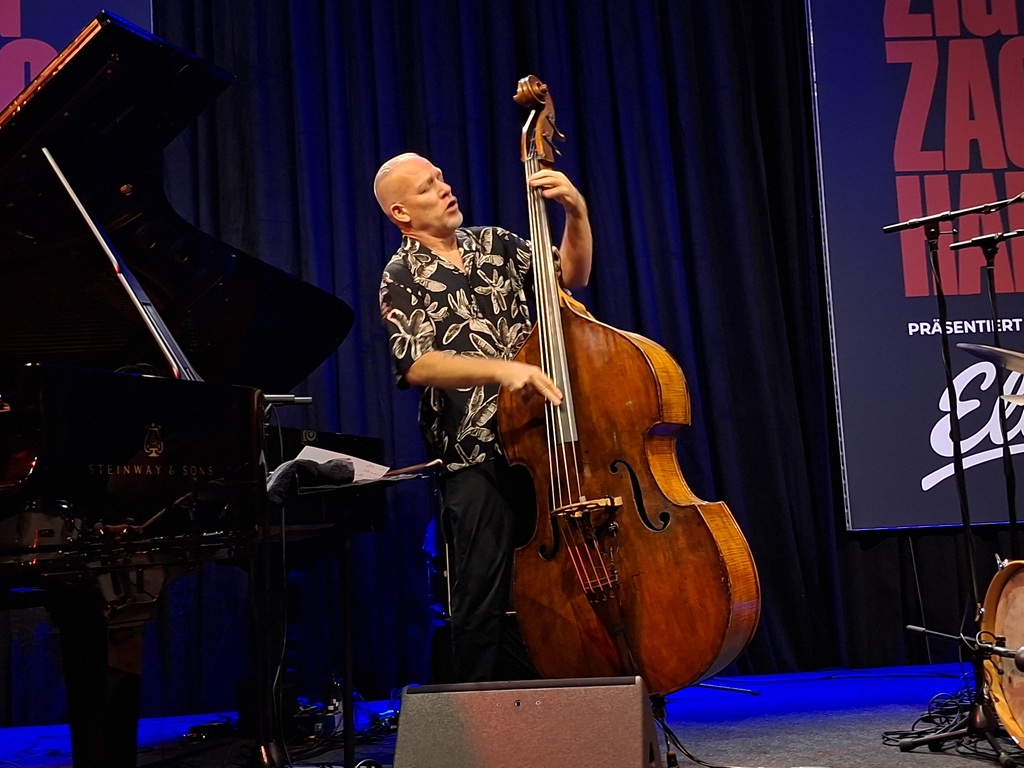
Avishai Cohen Trio Oct. 22, 2026 ZIG ZAG HALL
Avishai Cohen Trio - ETERNAL CHILD - ZIG ZAG HALL
1st Concert 6:00 p.m.
Avishai Cohen
In terms of technical virtuosity and emotional expressiveness, this jazz bassist ranks among the world’s leading bassists in contemporary jazz. He certainly belongs in the top tier—or, to use a sports analogy, in the “Champions League.”
“Eternal Child”
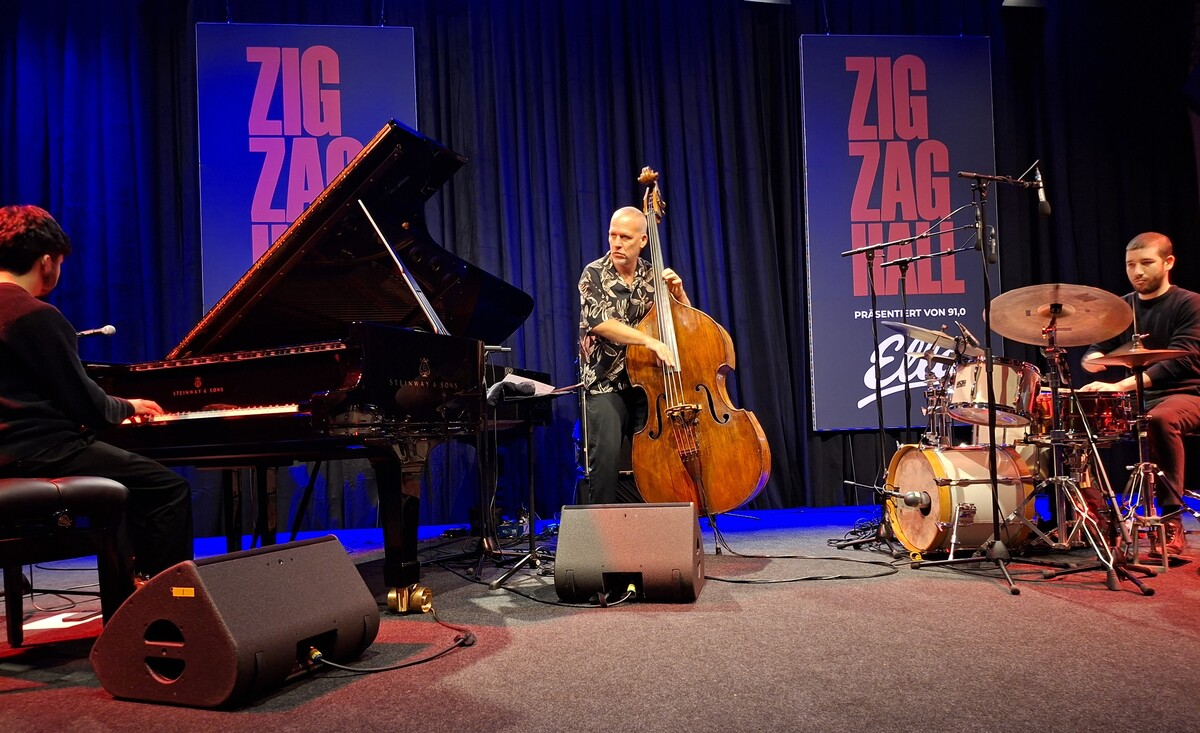
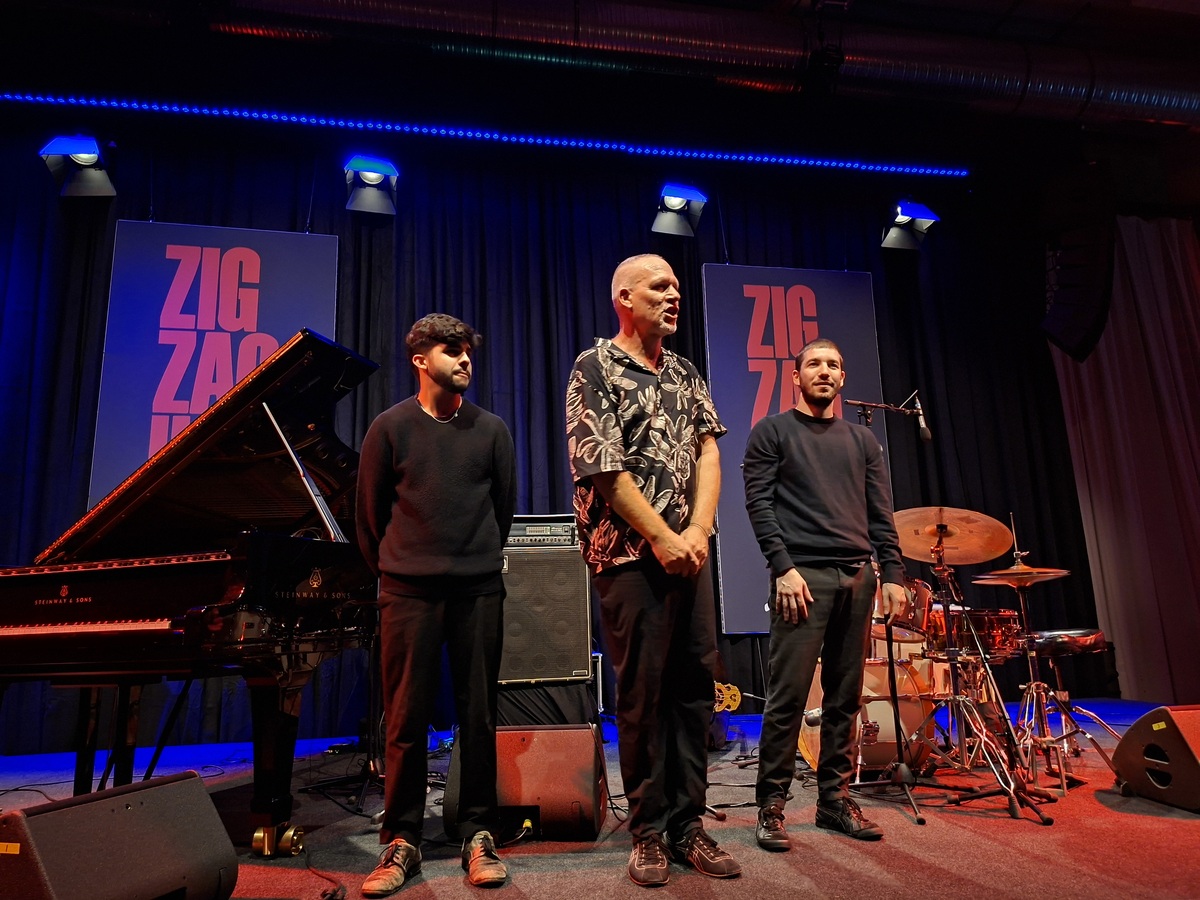
Avishai Cohen is presenting his latest album, “Eternal Child,” as a trio on his German tour, including in Berlin. At the virtuoso’s most recent concerts in Berlin, he presented his trio, which featured an outstanding lineup with Itay Simhovich on piano and Eviatar Slivnik on drums. This lineup can be considered his preferred trio, and they will also be performing at today’s concert.
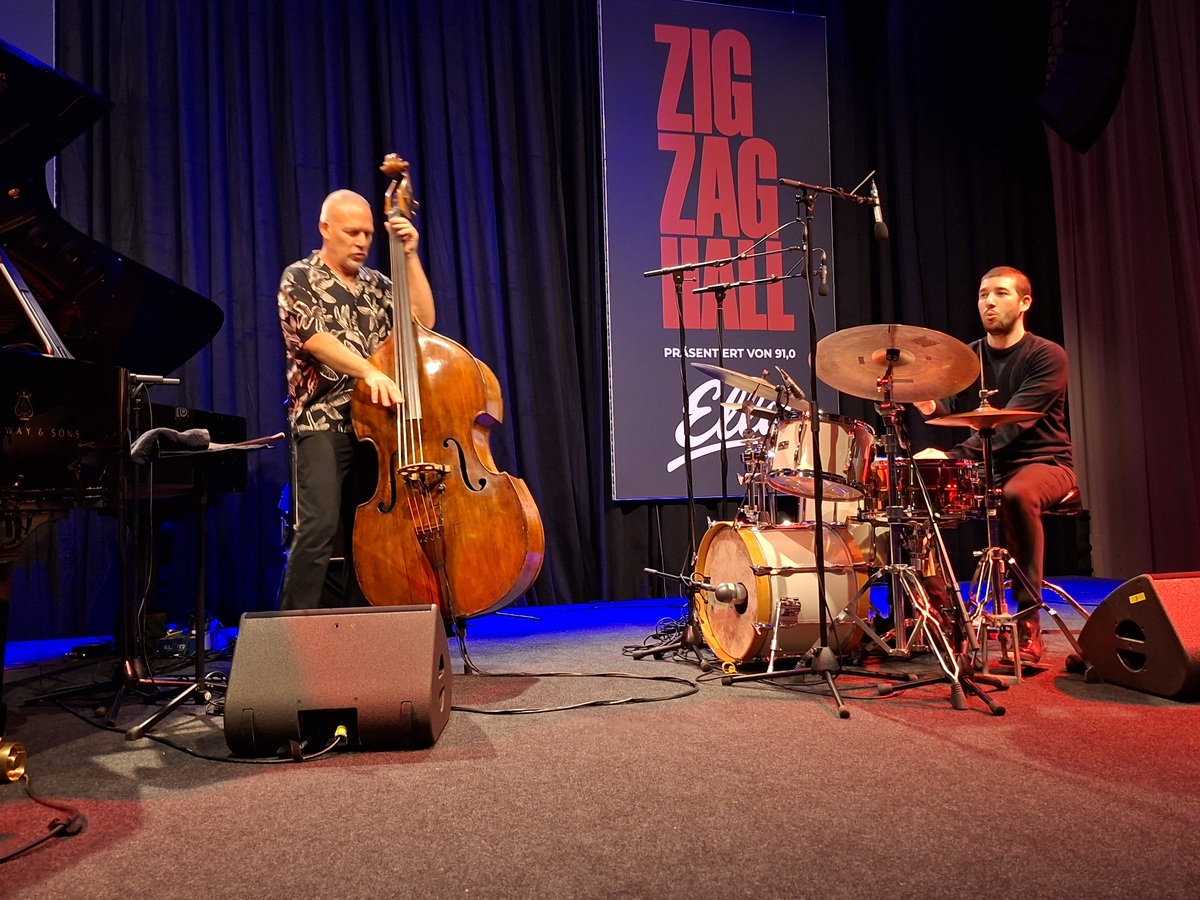
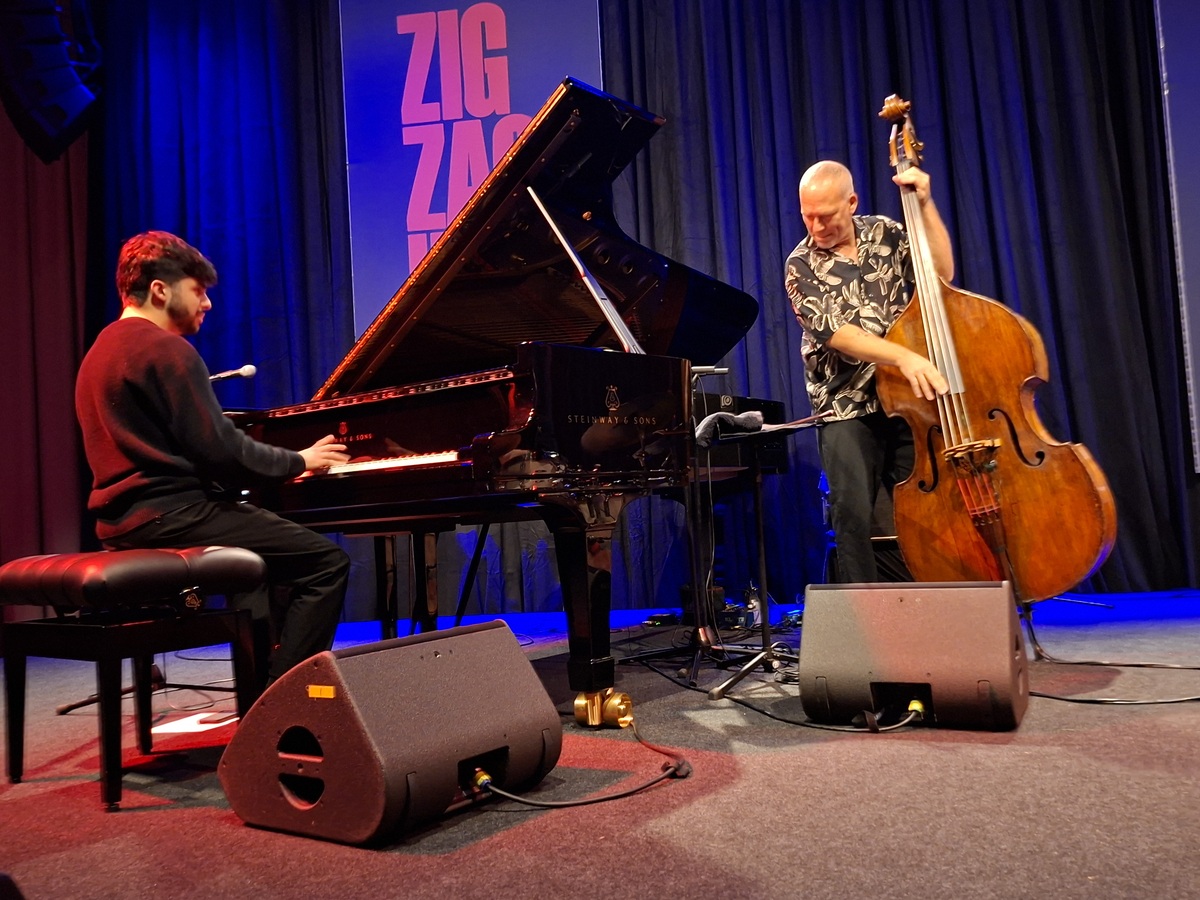
AVISHAI COHEN - bass (ISR)
ITAY SIMHOVICH - piano (ISR)
EVIATAR SLIVNIK - drums (ISR)
The ZIG ZAG HALL—right next to the Gasometer, though somewhat hidden if approaching the EUREF Campus from the wrong direction—is more of a large jazz club than a hall. With an elegant, chic yet functional ambiance featuring a bar, a few small tables, and a central stage, the space—despite its size—has much of the feel of an intimate jazz bar.
Sequence of Untitled Tracks
#1
The intro is dominated by the piano, with the bass and drums providing discreet accompaniment; then a distinctive theme emerges, which pianist Itay Simhovich repeats several times with staccato-like strokes. The track unfolds as an accented rhythm with the piano as the leading instrument. After a brief solo section, Itay Simhovich strikes up the riff-like title theme once again. A short piece, designed to get the audience in the mood—and it succeeds perfectly.
#2
The piano begins unaccompanied, playing lyrical motifs. The bass and drums join in, and together they create a ballad-like sound with an almost chamber-music feel. The ballad-like character is reinforced as the bass takes the lead, first accompanying and then taking over as the soloist. Avishai Cohen’s solos are in a class of their own. In addition to his unique expressiveness, it is his gestures and facial expressions that further enhance his rhythmic playing. It’s not just his phrasing that’s rhythmically expressive—his entire body is. Then it’s back to the piano, which shines as a solo instrument during his improvisations while staying true to the context of the piece, before Avishai Cohen brings the ballad’s story to a close with his solo. Together, the trio breathes life into the song until its final notes…
#3
A fast, lively track follows. The bass and piano play the theme in unison. Eviatar Slivnik, who had been holding back on the drums until now, plays with more emphasis—and in a more “solo-like” manner—within his rhythmic time-keeping, which, together with the bass, transitions into a moderate swing. Itay Simhovich plays the keys in a similar style. The trio’s sound isn’t classic swing, but it has the groove that every swinging song must have—even in a contemporary interpretation or as a post-bop variation. The sound becomes more expressive, driving the music forward. After a few sequences of a bass solo, a dialogue develops between the double bass and the drums. The bass sets the tone, and the drums follow with subtle variations. This duo also works in reverse according to the “bird call” principle—leading vocally, responding with variations. The duo is followed by a solo from the drummer, who now plays with much greater emphasis, producing hard hits and rolling beats. The drumming is now more firmly rooted in the funk/fusion genre than in a variation of swing. With that, Eviatar Slivnik brings the third track to a close.
Avishai Cohen greets the audience and introduces his trio. “Dankeschön” are his first words in German. In English, he says he’s happy to be in Berlin, an interesting city. That’s it for the announcements—the next track is already waiting.
#4
The established pattern of introducing a song is maintained. The piano takes the lead in the introduction, joined by a bowed bass. The piano’s motifs center on an ostinato figure that—together with the subtly playing drums—provides a rhythmic and harmonic foundation for the song. Over or beneath this, Avishai Cohen begins his improvisations: low registers, a calm touch, many motifs, numerous patterns, and constantly new lines. His plucking of the strings creates polyrhythmic accents presented in his unique style: it is “simply” beautiful, “simply” virtuosic. Now, Itay Simhovich’s piano is in no way outdone by this articulation and demonstrates its class in a moving solo. Together, the bass, piano, and drums let the theme fade out gently.
#5
Like the previous track, the next one also begins with rhythmically accented phrases from the trio: expressive, harmonically sophisticated, and exquisitely elegant. The drums and double bass take a back seat, providing sparse support and leaving the field open for Itay Simhovich’s pianistic improvisations. Rhythmic and harmonic elements maintain a wonderful balance in his melodic sequences. Toward the end, the music becomes more expressive, with both the bass and drums now favoring harder strikes.
#6
The song starts off fast: wilder, louder, and more unbridled than its predecessors. Avishai Cohen “takes it up a notch.” His extended solo consists of fast runs as well as delicate passages and strongly percussive strikes on both the strings and the body of the double bass. He literally “beats up” his bass. His eloquent playing is a perfect demonstration of just how much is acoustically possible on the double bass. In other words: Featuring Avishai Cohen on bass. Enthusiastic applause from the audience!
#7
A lyrical introduction on the piano, with sparse accompaniment from his colleagues. Piano and bass come together as a duo, while Eviatar Slivnik plays the drums with brushes. This is unmistakably a ballad that the trio is performing. But Avishai Cohen still has plenty to say, so he continues his solo escapades in his virtuoso style. As a little “encore,” his bass is played with a bow.
#8
Kein Anfang ohne das Piano. So auch jetzt. Stakkatohafte Anschläge des Pianisten sowie harte Schläge des Drummers legen vor. Auch der Bass steuert einige Sequenzen bei, gleicht zwischen den Spanungspolen Klavier und Schlagzeug aus. Ein moderates Swingen ist jetzt zu vernehmen, das in einem wilden, ungezügelten, fast ekstatischen Höhepunkt des Trios gipfelt - „Eternal Child“.
#9 & #10
The following piece also features the elements heard so far, with the bassist’s solos standing out: Avishai Cohen as primus inter pares.
The drummer’s unaccompanied solo is long overdue. Eviatar Slivnik has been waiting for this for a long time. Now he makes up for it in full force and with great expression: jazz power drumming to close out the set. His beats, rolls, and patterns serve as the finale, a role he fulfills with confidence. This is much to the delight of the enthusiastic audience.
#Encore
Avishai Cohen is not “just” a bassist; he also accompanies himself as a vocalist. Instead of a Hebrew song—as at the last Berlin concert on November 15, 25, at the Rykestraße Synagogue—he performs a Spanish-sounding (love) ballad: “Avre tus portas.” It certainly sounds Spanish, but it is actually one of the best-known traditional Sephardic folk songs, sung in Ladino (Jewish Spanish). Avishai Cohen performs the melancholic ballad with both devotion and passion. An original and moving encore, much to the delight of the audience.
Avishai Cohen Trio - ETERNAL CHILD
https://www.leverkusener-jazztage.de/programm/avishai-cohen-trio-support/
https://www.eventim.de/en/event/avishai-cohen-trio-basf-feierabendhaus-20912153/?srsltid=AfmBOorwjFi4JKFyUAAi8oH5hHoscNvSqMC7zPeBDJqgH04AgJ0Fbsb8