GONZALO RUBALCABA 26.07.26 ZigZag Jazz Festival
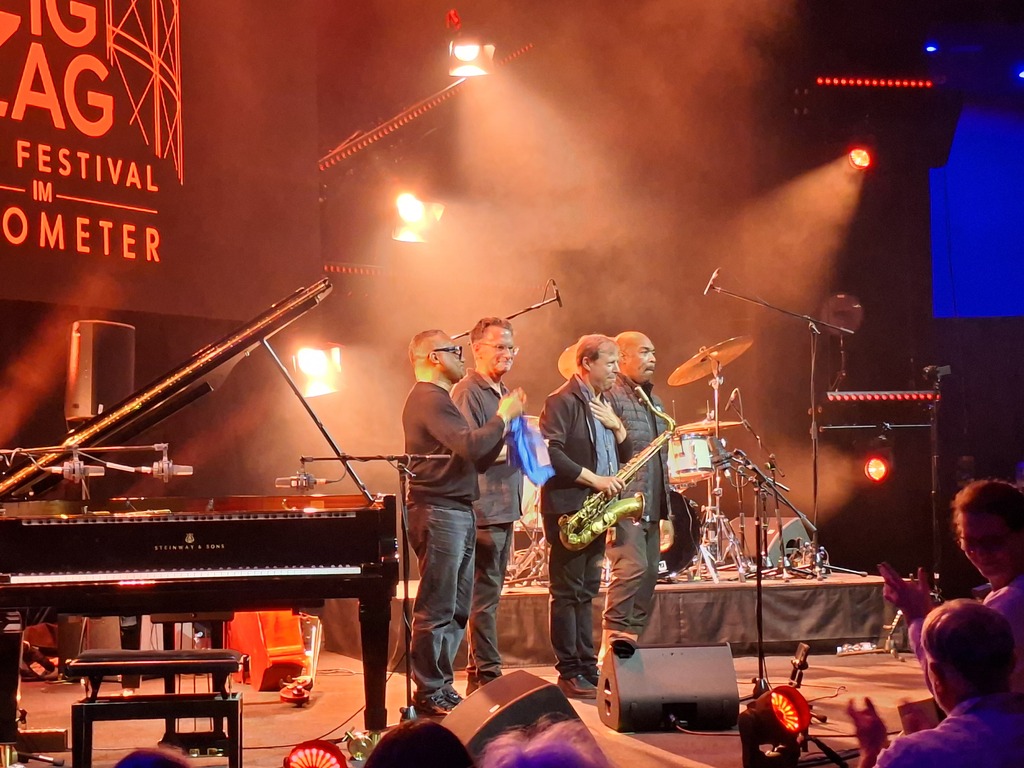
GONZALO RUBALCABA 26.07.26 ZigZag Jazz Festival
The ZigZag Jazz Festival 20. Juli – 01.August 2026 im Gasometer Berlin
GONZALO RUBALCABA – piano
CHRIS POTTER – saxophone
LARRY GRENADIER – bass
ERIC HARLAND – drums
Chronologie der akustischen Ereignisse
Jazz Tune #1
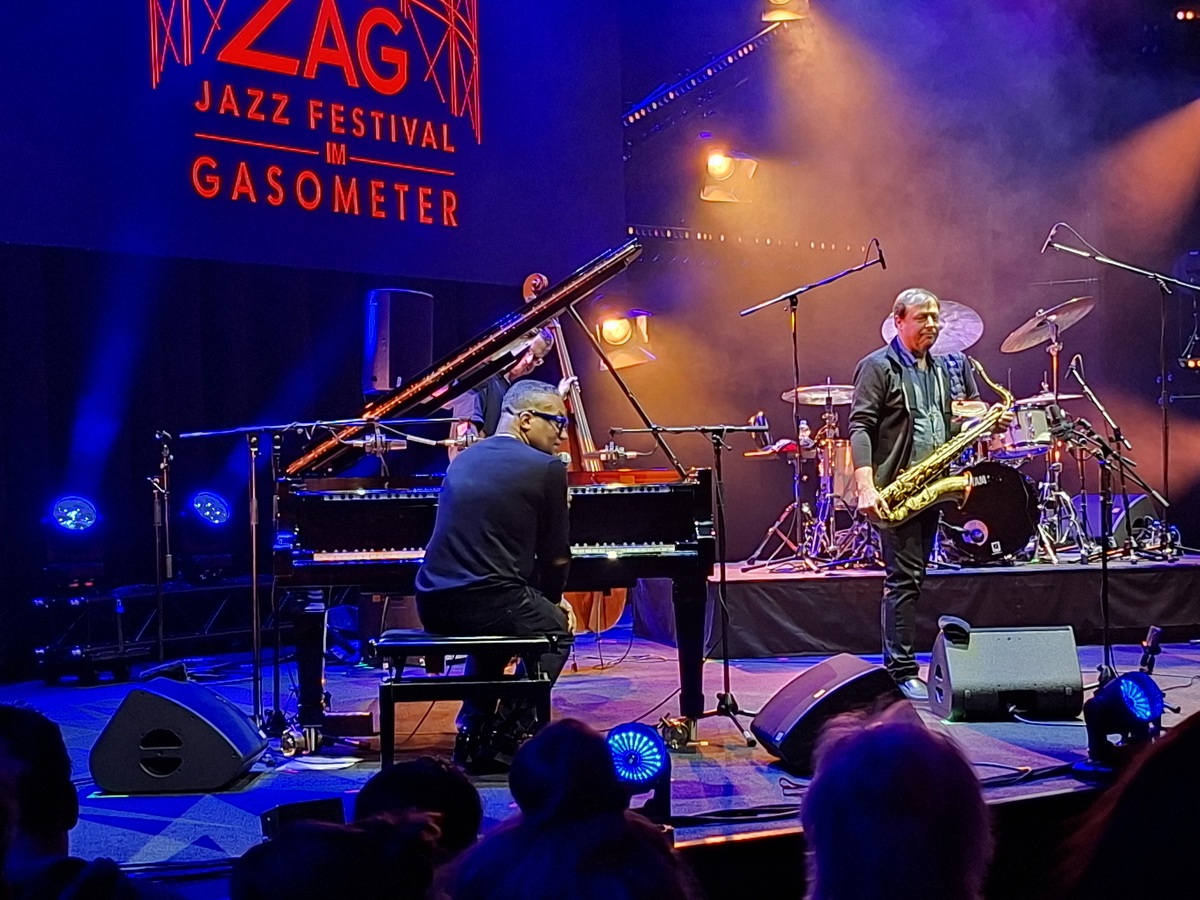
Vereinzelte Figuren des Pianos tasten sich vor, lassen einen suchenden Eindruck zurück. Die Figuren von Gonzalo Rubalcaba werden verschachtelter, aber ein Thema schein noch nicht gefunden. Chris Potter beteiligt sich an der Suche mit seinem Tenorsaxofon. Auf sein Zeichen hin startet die Band mit dezent treibenden Rhythmen. Bass und Sax treffen sich, um zusammen eine riffartige Figur anzureißen, aus der heraus Chris Potter sein Solo entwickelt. Der Saxofonist baut sein Solo stringent auf, mal melodische Schleifen blasend, mal freitönende Salven produzierend. Und der Rhythmus läuft …
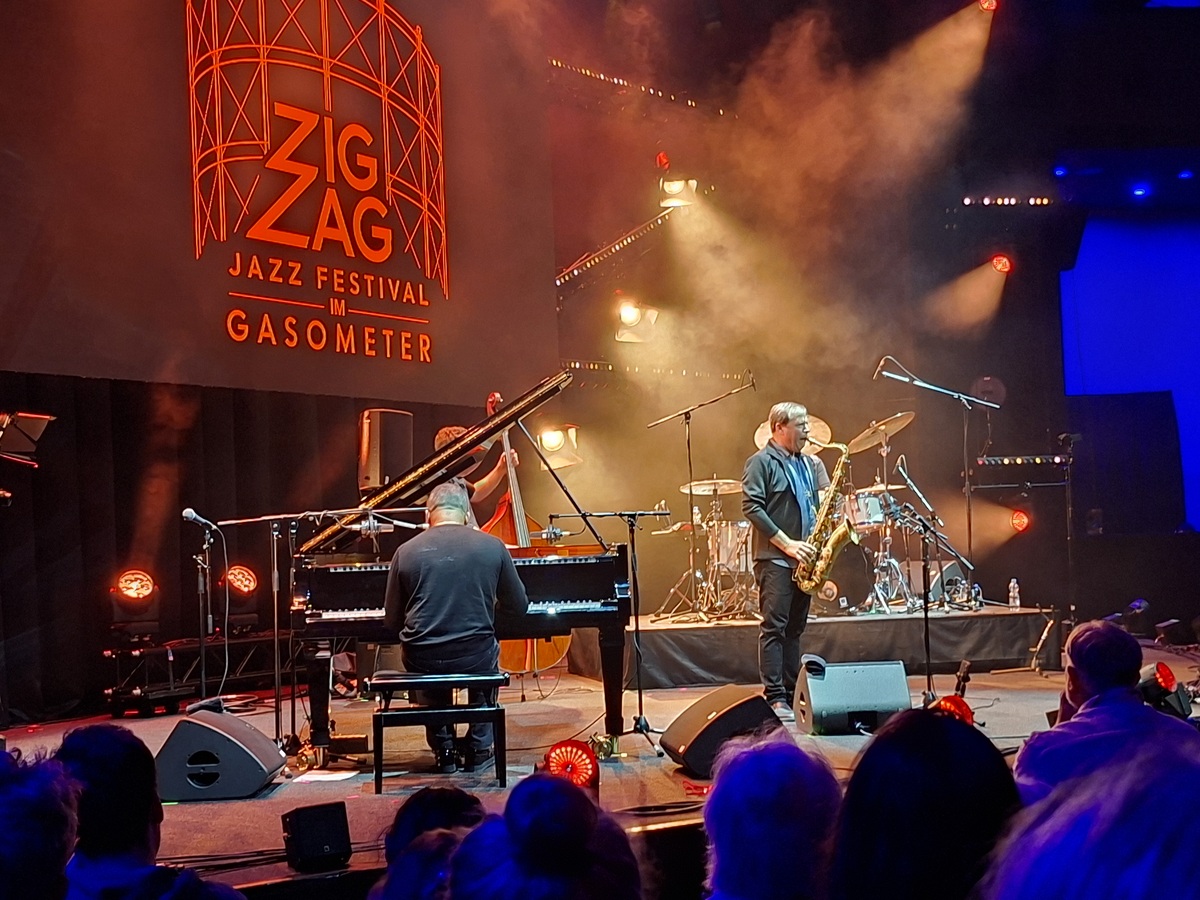
Ein Solo des Basses sticht nun heraus. Der wohl gefragteste Bassist der New Yorker Szene – primus inter pares – zeigt, warum das so ist: ein kraftvoller, leicht perkussiver Stil bei wunderbaren melodischen Bögen. Auch Larry Grenadiers Spiel ist exakt strukturiert, was den wohltönenden Sequenzen seiner Improvisationen gut tut. Drums und Piano sind nun wieder mit von der Partie.
Gonzalo Rubalcaba macht solistisch weiter. Seine Anschläge reflektieren aktuelle Pianospielweisen im Jazz, tönen aber auch nach Klassik, sind von Neuer Musik inspiriert, nur von Latin ist (noch) nichts zu spüren. Eric Harland zeigt souverän, dass sparsame Anschläge der Drums mehr Wirkung entfalten können, als permanentes Getrommel. Bei einem kongenialen Partner wie Larry Grenadiers ist das leicht möglich.
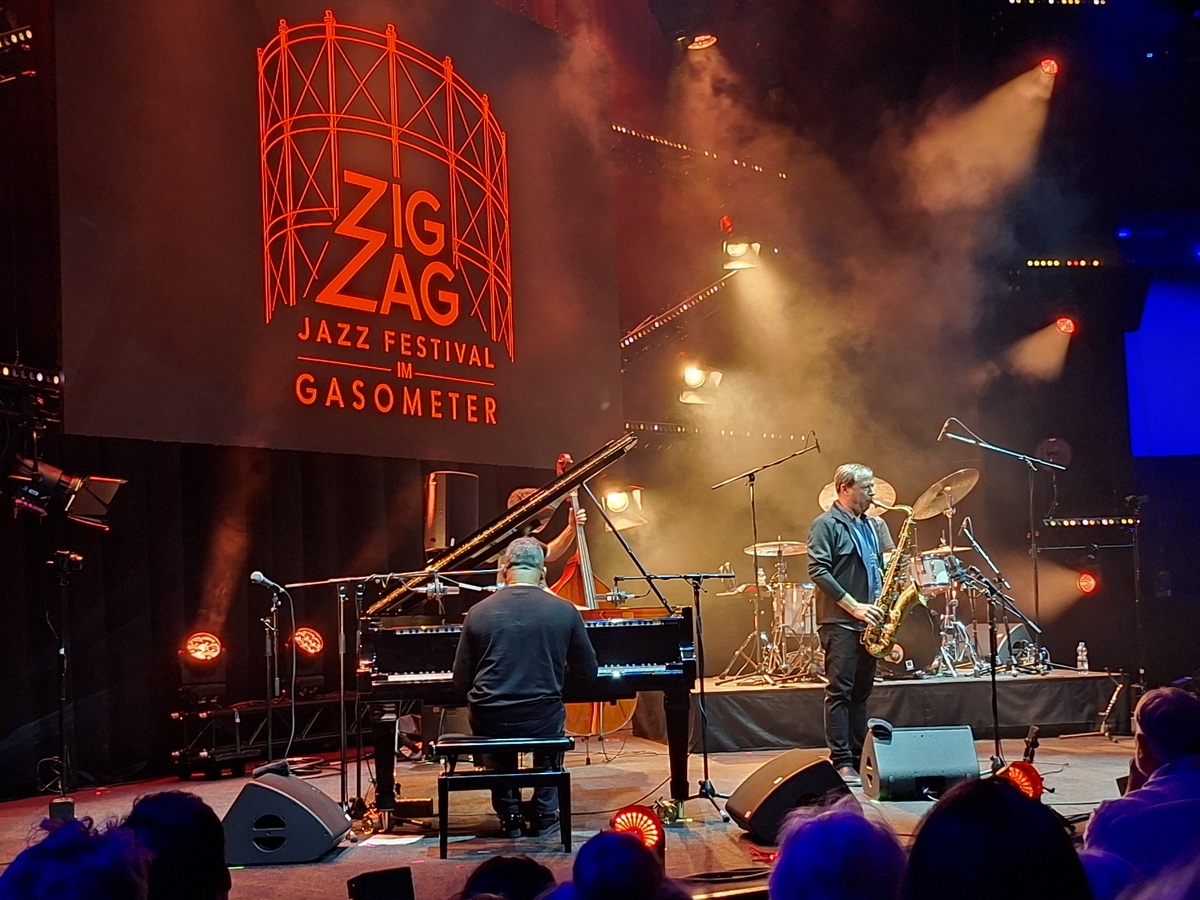
The Tenor is Back. Chris Potter bläst noch einige Tonfolgen aus seinem Rohr, mal melodisch, mal schräg aufschreiend, aber stets im Kontext der Harmonien des Themas. Begleitet wird er von einen agilen Piano, das spieltechnisch „analog“ vorgeht. Alle zusammen erhöhen die Intensität, packen noch mehr Ausdruck in den Titel, bevor der sich diskret verabschiedet.
Jazz Tune #2
Jetzt könnte ein 2. Stück dran sein. Die Zuordnung ist nicht einfach, da stilistische Wechsel noch zum alten, aber auch schon als Intermezzo zum nächsten Titel gehören könnten. Deshalb sind die Beschreibungen der Musik in einzelne Blöcke und Passagen gefasst – in chronologischer Abfolge.
Bass und Sax legen los, stimmen das Thema unisono an. Piano & Drums halten sich zurück, überlassen dem Bass den Fokus der Aufmerksamkeit. Larry Grenadier weiß das virtuos zu nutzen, indem er Intonationen von perfekter Präzision kreiert, was dazu noch toll klingt. Eric Harland begleitet die Soli mit den Klöppeln, fein touchierend. Jetzt übernimmt erneut das Tenorsaxofon den solistischen Part. Chris Poter artikuliert sich nun balladenhaft, dezent von den Kollegen unterstützt.
Die Intensität des Sounds steigert sich, nimmt leicht dramatische Züge an, um bald darauf zu der balladesken Klangfärbung zurückzukehren. Auch das währt nicht lange, denn die schnellen Wechsel von Tempo und Stil sind Trumpf beim Quartett von Gonzalo Rubalcaba. Das Tenorsax tönt jetzt ziemlich expressiv, verpasst dem Titel einige frei tönende Eruptionen. Dergleichen betreibt der agile Pianist mit seinen Anschlägen, den perlenden Läufen und der Klangfarbe des Grand Pianos, was hier ein Steinway ist. Das war der 2. Steich und der nächste folgt sogleich …
Jazz Tune #3
Nee, nicht gleich, aber in Kürze behandelt. Also, dranbleiben!
Jazz Tune #4 - „Canto Santo“
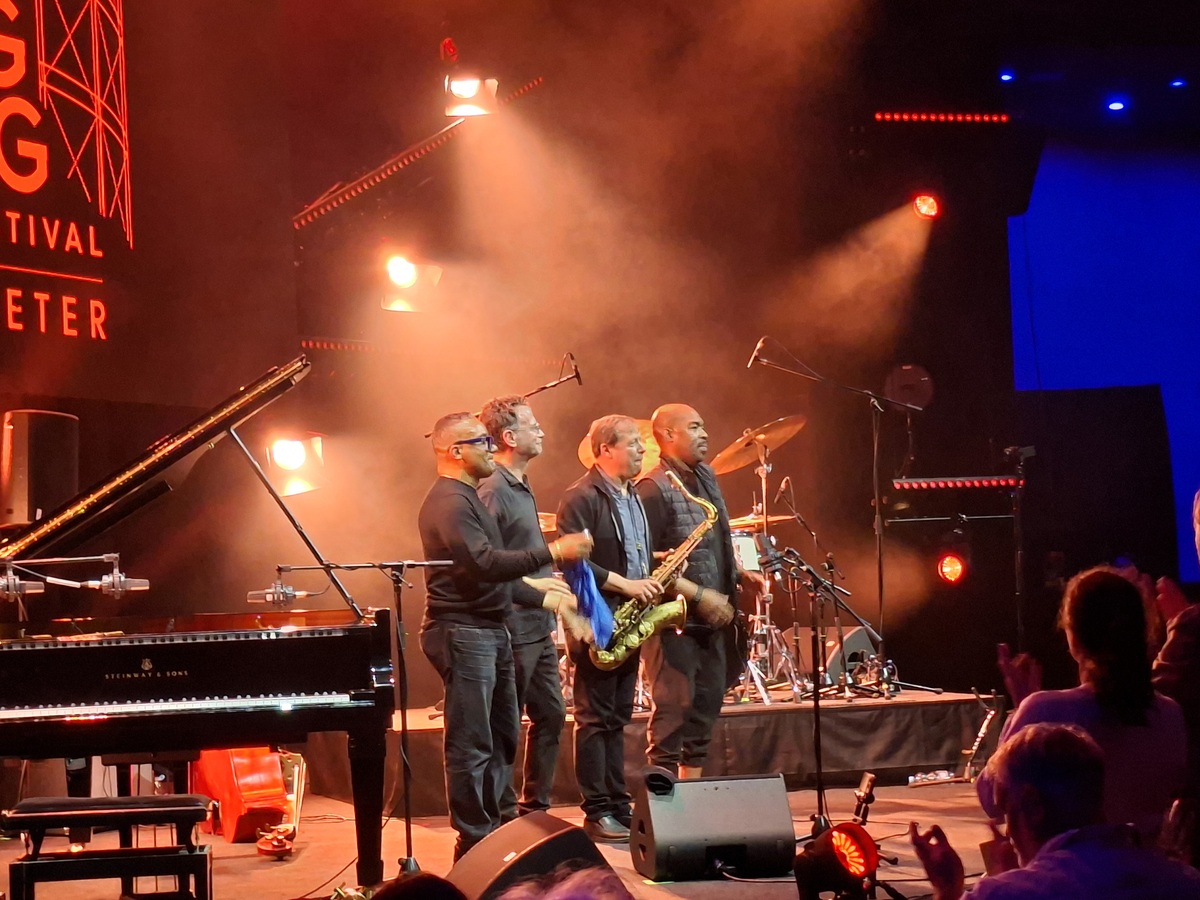
Das Stück hat sogar einen Titel, der von Gonzalo Rubalcaba in seiner Ansage verraten wird. Die anderen Titel werden Namen haben, werden jedoch nicht erwähnt. „Canto Santo“ ist eine Komposition von Gonzalo Rubalcaba, die den lang erwarteten Latin-Charakter - zumindest in einzelnen Passagen - des Konzertes widerspiegeln soll. Rhythmisch wie melodisch sind das Themen, die karibisch-kubanisches Flair verströmen. Das allein ist schon genug. Wenn dann noch exzellente Soli der Band, insbesondere von Sax wie Piano dazukommen, so ist dieser „Rausschmeißer-Song absolut passend, um ein herrlich kurzweiliges Konzert zu beenden.
GONZALO RUBALCABA July 26, 2026 ZigZag Jazz Festival
GONZALO RUBALCABA – piano
CHRIS POTTER – saxophone
LARRY GRENADIER – bass
ERIC HARLAND – drums
Chronology of Acoustic Events
Jazz Tune #1
Sparse piano figures feel their way forward, leaving an impression of searching. Gonzalo Rubalcaba’s figures become more intricate, but a theme does not yet seem to have been found. Chris Potter joins the search with his tenor saxophone. At his cue, the band kicks off with subtly driving rhythms. The bass and sax meet to sketch out a riff-like figure together, from which Chris Potter develops his solo. The saxophonist builds his solo with precision, at times playing melodic loops, at other times producing free-sounding bursts. And the rhythm keeps going …
A bass solo now stands out. Arguably the most sought-after bassist on the New York scene—primus inter pares—shows why that is: a powerful, slightly percussive style combined with wonderful melodic arcs. Larry Grenadier’s playing is also precisely structured, which serves the melodious sequences of his improvisations well. Drums and piano are now back in the mix.
Gonzalo Rubalcaba continues his solo. His touches reflect current piano styles in jazz, yet also resonate with classical music and are inspired by contemporary classical music; there’s no hint of Latin yet. Eric Harland confidently demonstrates that sparse drum strokes can have a greater impact than constant drumming. With a congenial partner like Larry Grenadier, that’s easily achieved.
The Tenor is Back. Chris Potter blows a few more phrases from his saxophone—sometimes melodic, sometimes shrill and wailing—but always within the context of the theme’s harmonies. He is accompanied by an agile piano that plays in an “analog” style. Together, they ramp up the intensity, infusing the track with even more expression before it discreetly fades out.
Jazz Tune #2
Now it might be time for a second piece. Categorization isn’t straightforward, as stylistic shifts could still belong to the previous track or already serve as an interlude to the next one. That’s why the descriptions of the music are organized into individual blocks and passages—in chronological order.
The bass and saxophone kick things off, playing the theme in unison. The piano and drums hold back, leaving the bass to take center stage. Larry Grenadier makes masterful use of this by creating intonations of perfect precision—which also sound fantastic. Eric Harland accompanies the solos with his drumsticks, playing with a delicate touch. Now the tenor saxophone takes over the solo part once again. Chris Potter now plays in a ballad-like style, subtly supported by his colleagues.
The intensity of the sound builds, taking on slightly dramatic qualities, only to return to the ballad-like timbre shortly thereafter. But that, too, doesn’t last long, as rapid shifts in tempo and style are the hallmark of Gonzalo Rubalcaba’s quartet. The tenor sax now sounds quite expressive, infusing the track with a few free-flowing bursts. The agile pianist does much the same with his touches, the sparkling runs, and the timbre of the grand piano—which in this case is a Steinway. That was the second track, and the next one follows right away …
Jazz Tune #3
No, not right away, but coming up shortly. So, stay tuned!
Jazz Tune #4 - “Canto Santo”
The piece even has a title, which Gonzalo Rubalcaba reveals in his introduction. The other tracks have titles as well, but they aren’t mentioned. “Canto Santo” is a composition by Gonzalo Rubalcaba intended to reflect the concert’s long-awaited Latin character—at least in certain passages. Both rhythmically and melodically, these are themes that exude a Caribbean-Cuban flair. That alone is enough. When you add the band’s excellent solos—especially on sax and piano—this “closing song” is the perfect way to end a wonderfully entertaining concert.