Magnus Lindgren & John Beasley A-Trane 05/06.06.24 «Butterfly Effect» Release-Konzert English Version
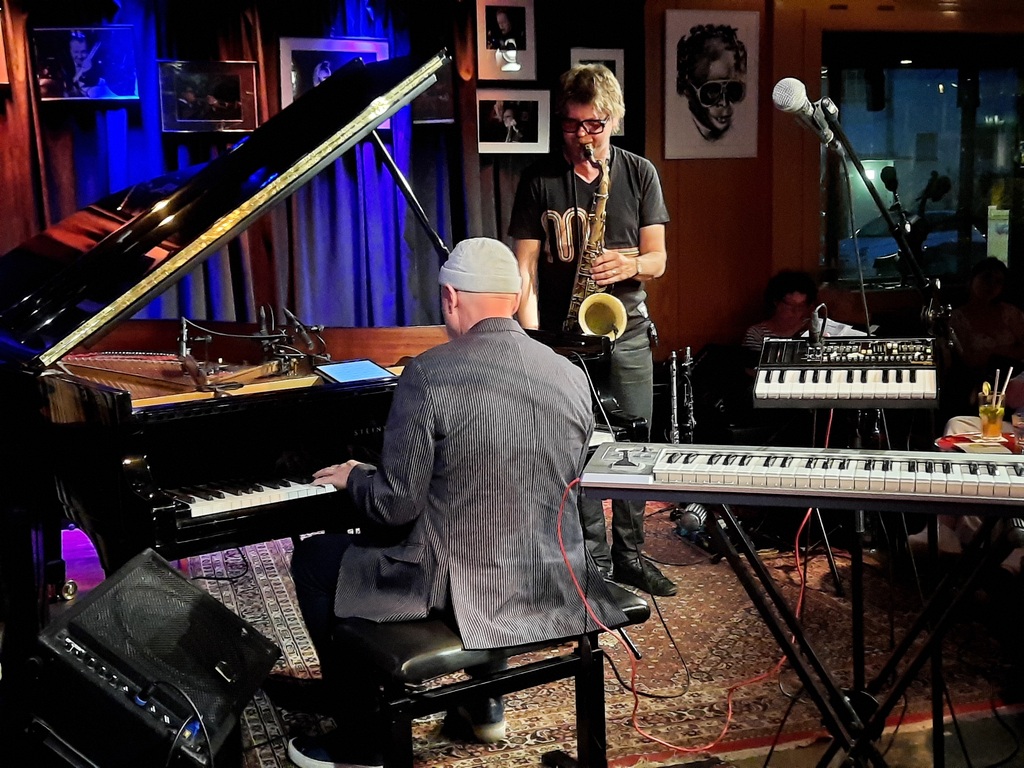
John Beasley – piano
Further Magnus Lindgren- flute, tenor sax, clarinet
Further titles in detail
Heart Beat
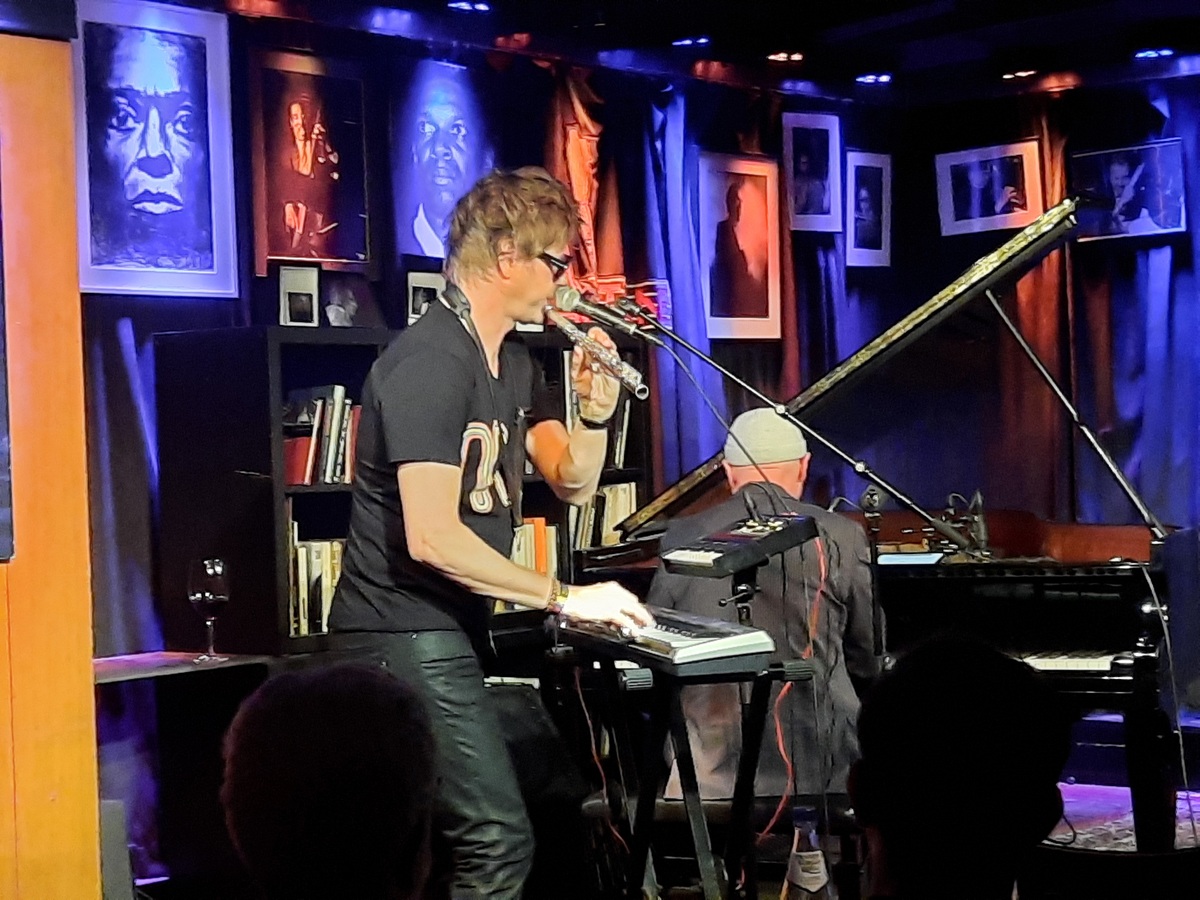
The following title is also dedicated to Magnus' young daughter. Because babies have a faster heartbeat, the title "Heart Beat" reflects these high-frequency, rhythmic beats - da dam, da dam. So the song simulates the fast, healthy sinus rhythm of a child. As a result, it now also sounds a little like funk. Digital keyboards that sound percussive plus an effect-hashing vocal are also involved. The flute lays its overblown sequences over the percussive-heavy background, which whispers in an endless loop - a real loop. John switches from his digital control station with keyboard to the grand piano to create a jagged, unruly and expressive solo. Flute notes and loop continue without a break, with the flute also taking on a certain "percussive" expression, as far as this is possible. The piano can now also be heard with powerful, harder strokes, loudly and insistently adapting to the digital background - the track cannot be denied the character of slapstick, but both the duo and the audience are obviously having great fun.
Untitled
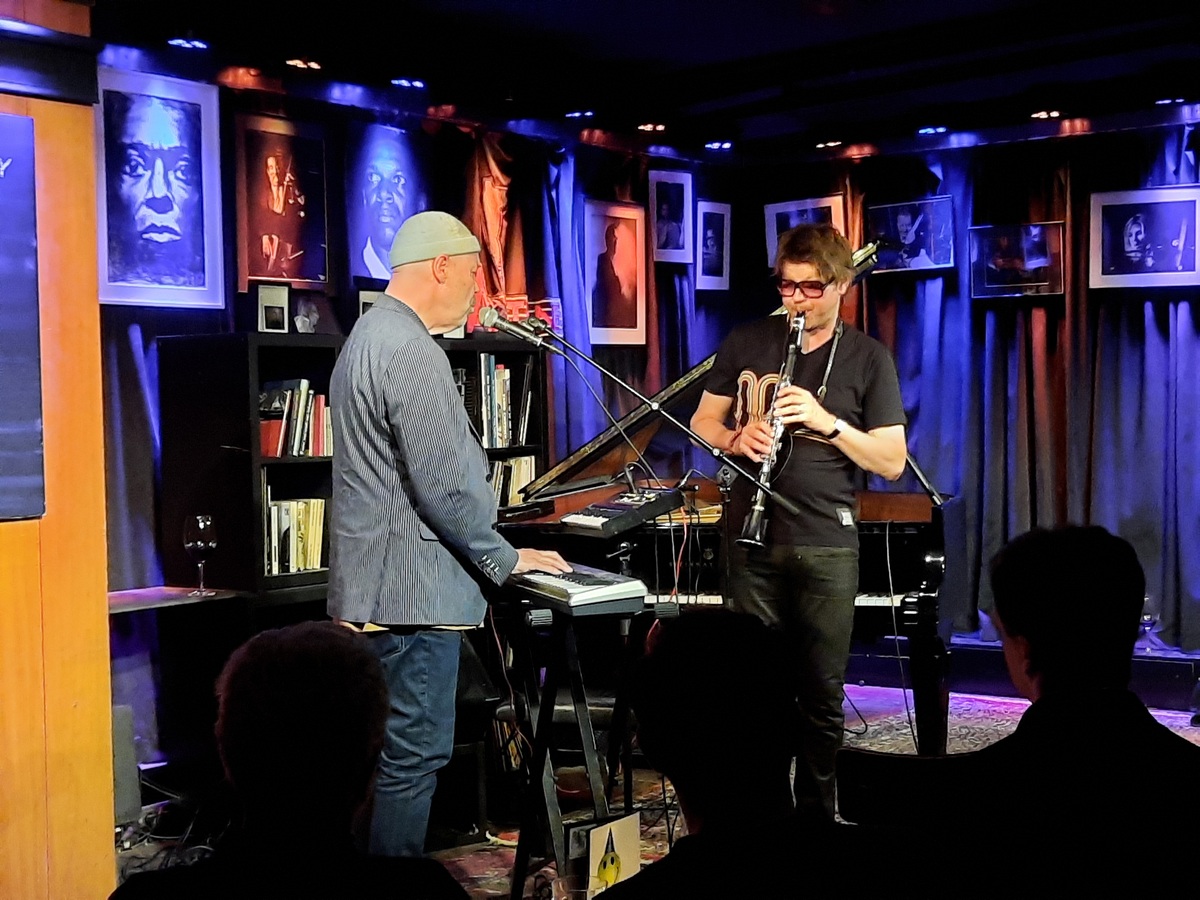
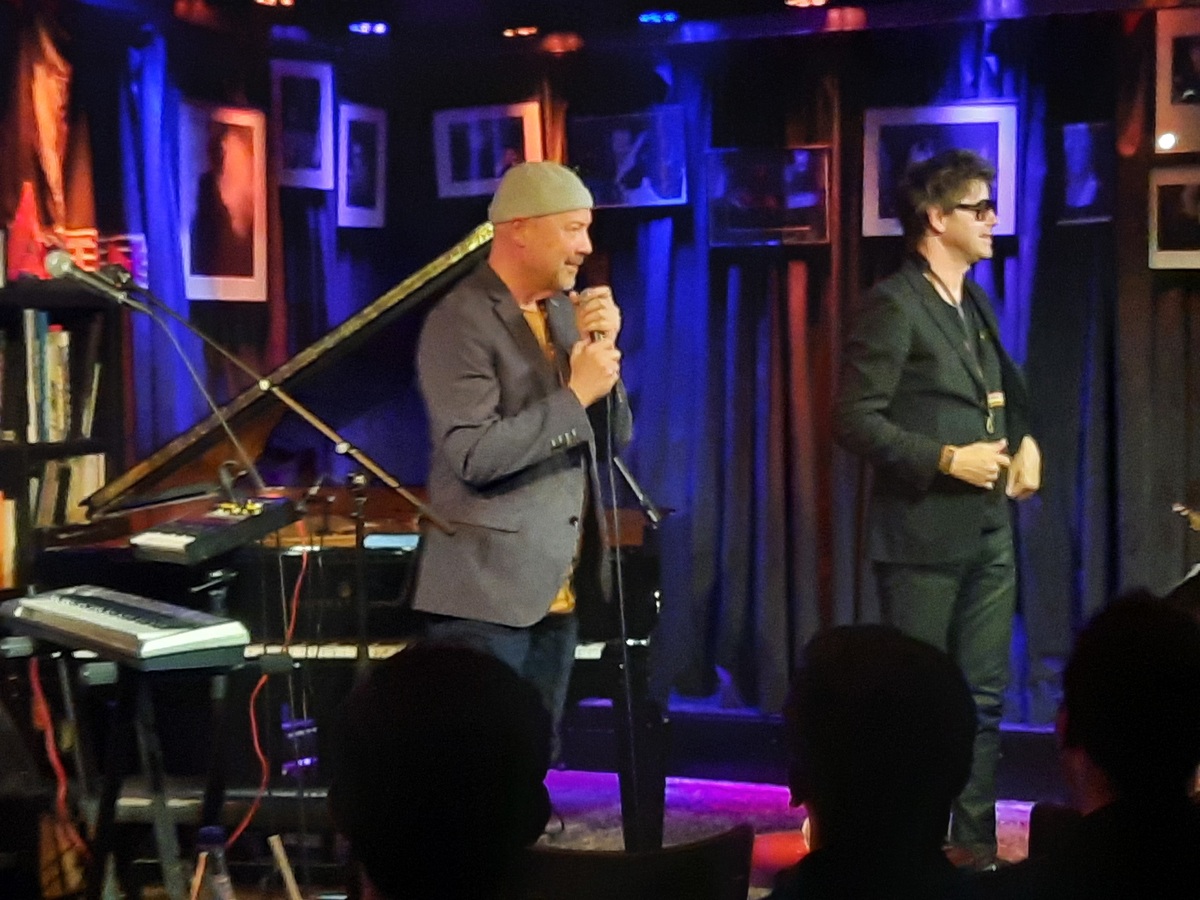
The song probably has one, but it is not disclosed. A classic introduction like a piano jazz trio, only without bass and drums. A reference to jazz tradition flashes up in John Beasley's playing, a little Gershwin shines through, definitely a standard, the harmonies give it away. Magnus Lindgren's tenor sax joins in, takes up the harmonic framework and the ideas suggested by the piano and varies them further. John Beasley brings a jazzy, but highly individual interpretation to the piano solo. The tenor sax can't stand on the sidelines and shows what it's all about: intricate sequences of notes, expressive volleys leave the full pipe. Magnus Lindgren also plays with tradition. That was a piece by Dave Brubeck in 4/4 time, John explains in his announcement. But not the legendary Take Five with the 5 beats. That was also by Paul Desmond, as the knowledgeable audience interjects.
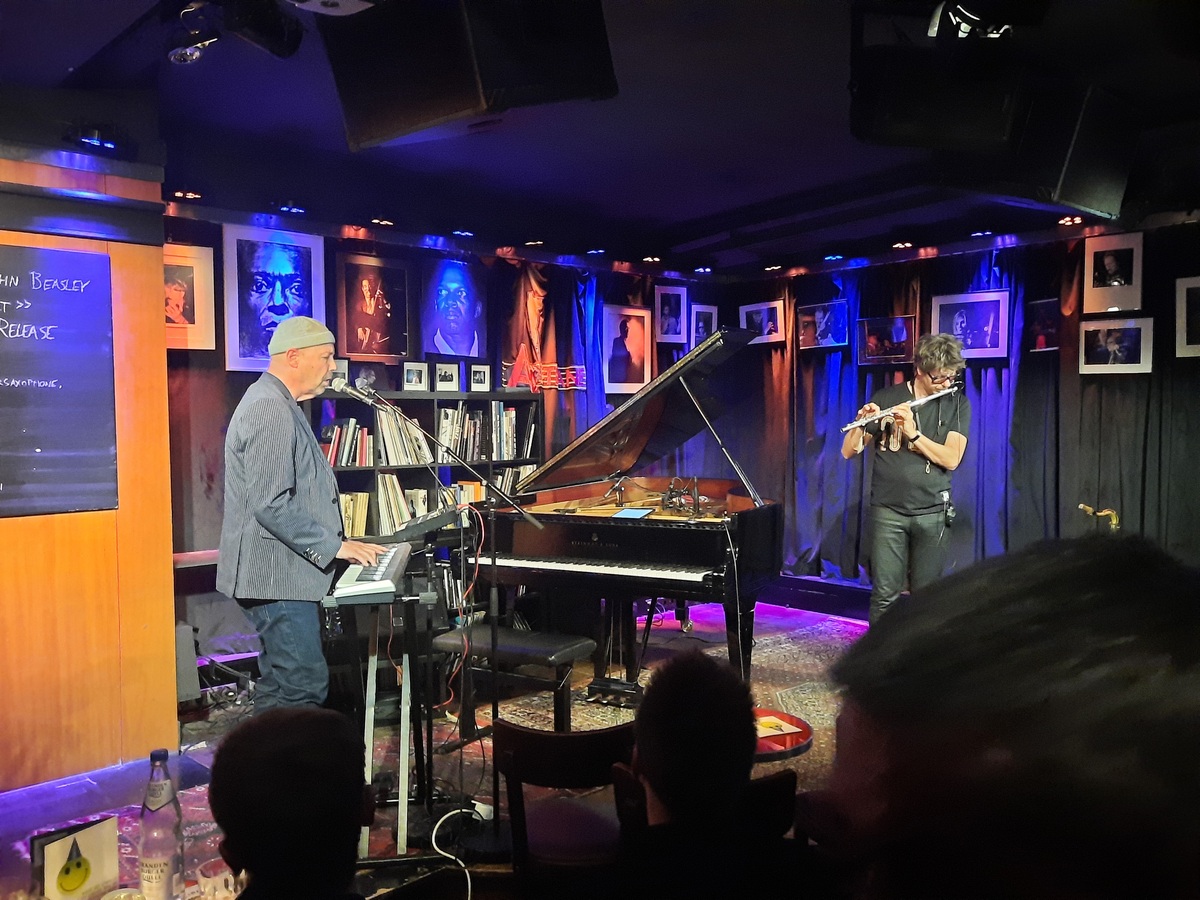
The next piece is introduced by a low rumble and roll of the piano, over which the flute blows its lines. John Beasley's rhythmically accentuated playing culminates in pearling piano improvisations. The flute attempts to provide a dignified accompaniment, but this can only be airy fragments due to the sound character of the instrument. The partly earthy, partly airy theme is played in unison, all in all creating a good mood that also captures the audience.
Symphonic (untitled) ballad by Wayne Shorter
Well, the strings and the rest of an orchestra are not present here, but tracks with high substance can also be convincing as a duo. Chamber music impressions and lyrical tone sequences from the piano lead the way. A theme takes shape, the tenor divides the melody in order to continue the theme as a soloist. A few sparse sequences leave the sax, appropriate to the poetic ballad. This is something to indulge in, to daydream about, definitely a wonderful (love) ballad by tenor sax legend Wayne Shorter. John's piano playing evokes associations with the style-forming Bill Evans. The tenor blows its elegant lines to these wonderful sounds, embellishing the title.
This would actually have been a nice climax and end to the concert, but there are two more tracks as well as the encore. The pieces are similar in structure and spontaneous playing style to those heard previously. Sometimes rhythmically striking and staccato-like themes predominate, sometimes soft, flowing compositions with a ballad character. Electronic gimmicks with a minimalist touch are also offered again. And the butterflies are always in the process of making their acoustic wing beats, they can only be discovered.