Memento Odesa - Symphony Orchestra Odesa & Sebastian Studnitzky & Friends
Immediately after Sebastian Sternitzky's enthusiastic announcement - filled with his great joy at the numerous visitors in the completely full church - the duo between Andrii Pokaz on the piano and Sebastian Sternitzky on the trumpet gets going straight away: prepared piano, spare, isolated notes, somewhat more powerful runs over the keyboard with the effects of a prepared piano set the scene. The trumpet enters with a few lines and careful sequences, the playing leads into melodic tone phrases. Yes, a ballad in which the piano places sad motifs, dark and deep chords. These staccato-like strokes of the right hand counteract the slightly pearly figures of the left hand. The trumpet complements, takes over the thematic and melodic lead and lends the ballad further, somewhat sad tone colors.
The addition of percussionist Bodek Janke turns the duo into a trio. The piano provides ostinato motifs in deep registers. The trumpet blows its figures above it, while Bodek Janke provides a rhythmic balance with the drummed tabla below. The sound character and playing style of the tabla are more reminiscent of Eastern music, but the trumpet also hints at oriental scales and a touch of klezmer. Andrii Pokaz develops the theme, plays freely and becomes more dramatic. His playing is supported by the agile tabla drumming. The theme is repeated by the horn, then the percussion withdraws, leaving the musical field to an intense dialog between piano and trumpet.
Odesa Symphony Orchestra: Chamber music ensemble
Volodymyr Digits: Conductor
Sebastian Sternitzky: composition, trumpet & piano
Anastasiia Pokaz: vocals
Andrii Pokaz: piano
Paul Kleber: bass
Magro: drums
Bodek Janke: percussion
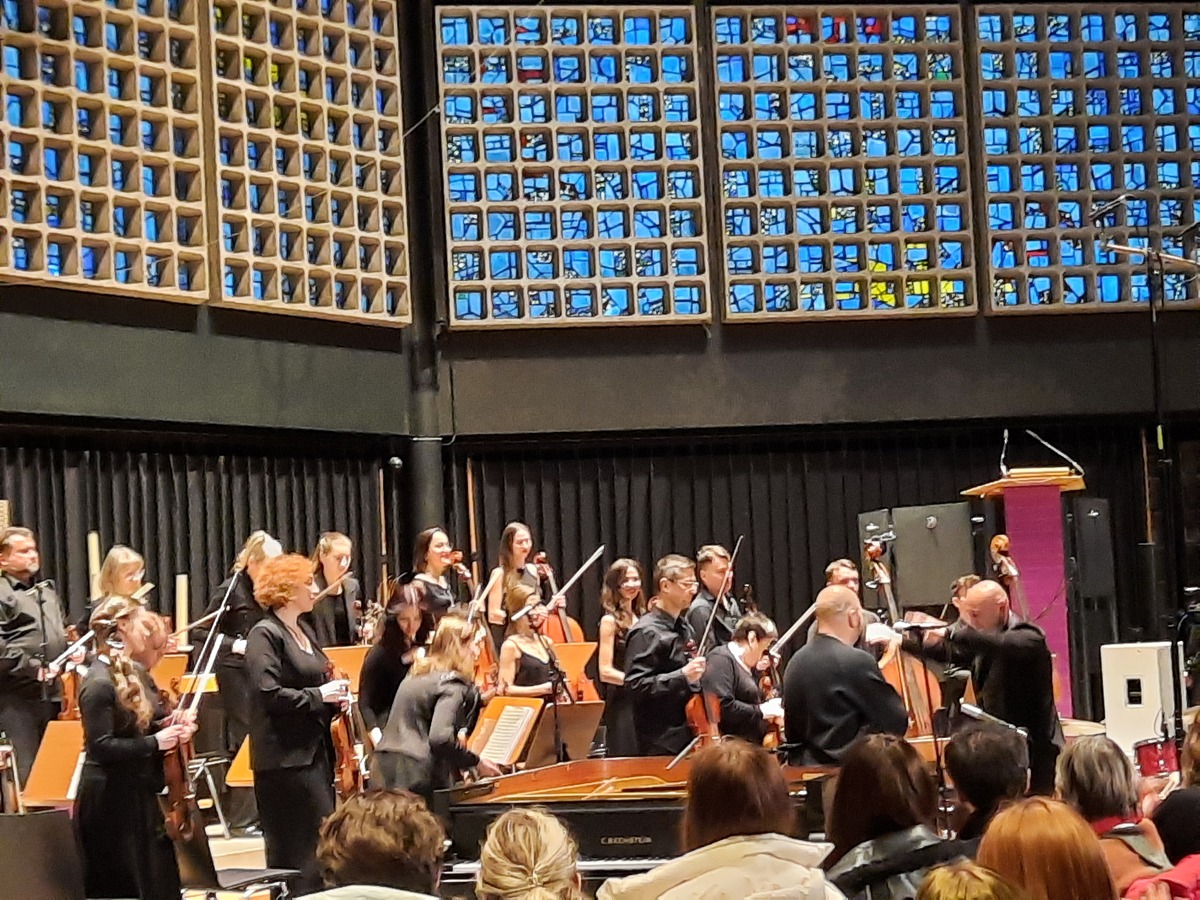
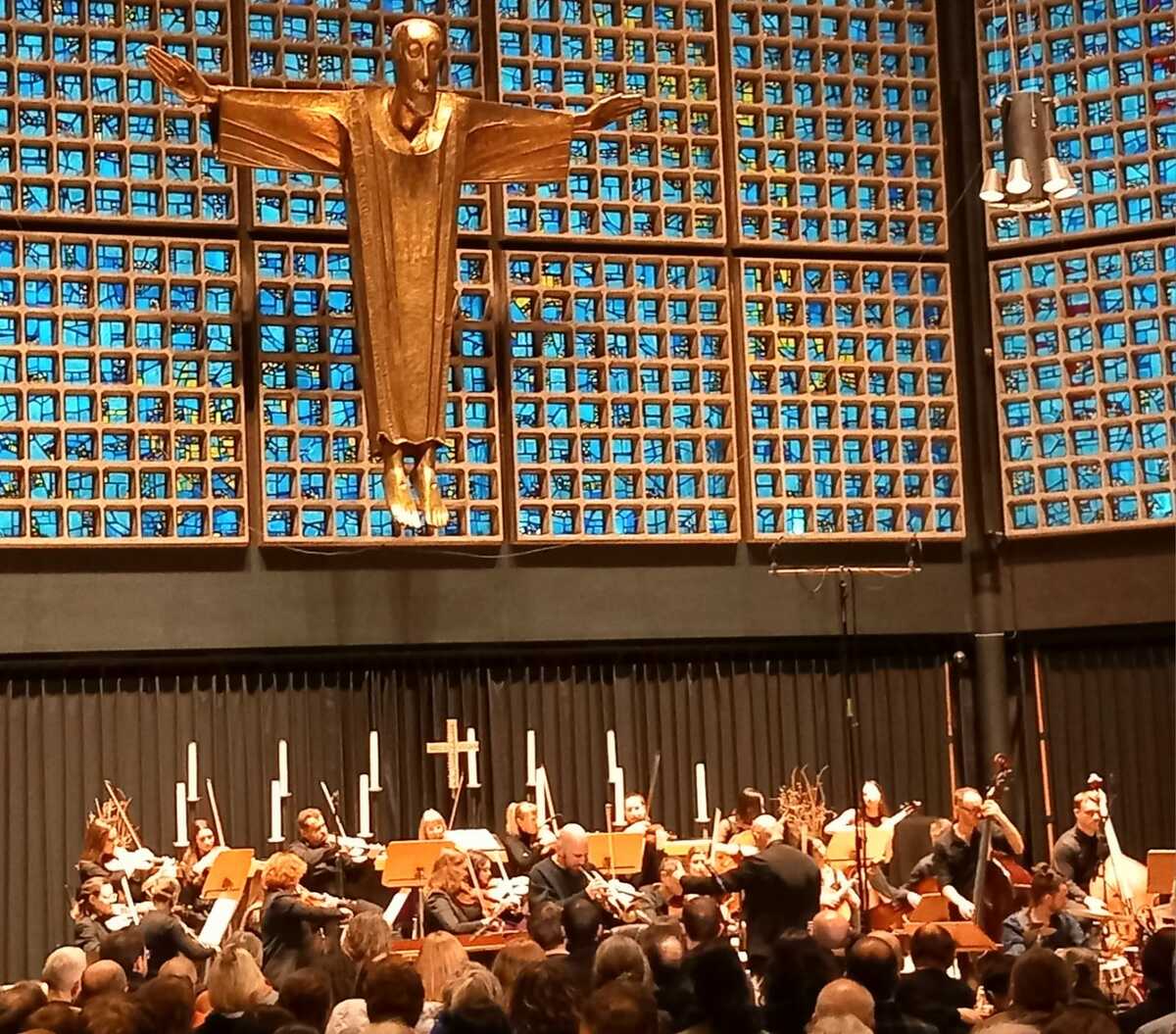
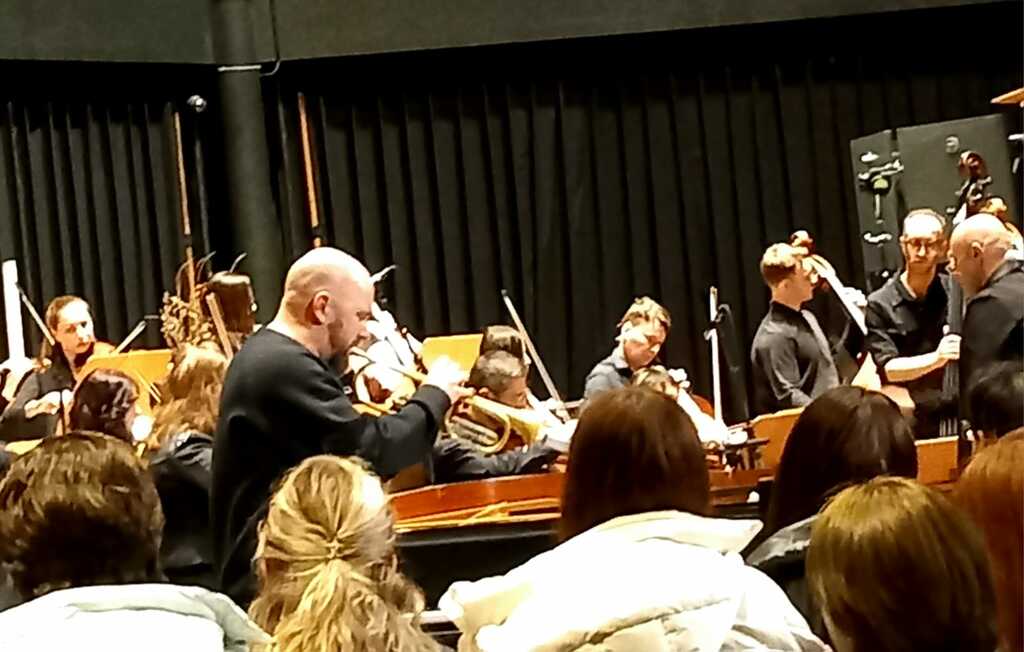
The idea, history and current realization of the project are explained in detail by Sebastian Studnitzky and the Odesa Symphony Orchestra is introduced. This is "only" the chamber orchestra with its strings: violin, viola, cello & double bass. It is predominantly young and female, as the men have "a ticket for the front", as Sebastian Studnitzky explains. Nevertheless, the chamber orchestra consists of 2 dozen members, 5 of whom are male.
Soothing, melodic lines set the tone. It sounds light, carefree, removed from the gruesome reality of Ukraine. A composition with a romantic sound character, presented unaccompanied by the confidently performing chamber ensemble, which attunes the audience to symphonic soundscapes and immediately wins them over to its music. Now the trumpet, bass and drums discreetly join in. The wavelike sounds of the string instruments create a more classical, chamber music-like atmosphere, into which the rhythmic elements of bass and drums are discreetly integrated. The music lives from the contrasting poles of the symphonic strings and the straight accents of the rhythm instruments, whose beats are only touched. Between these poles of tension is the piano playing of Andrii Pokaz, who gently presses his figures into the keyboard as a mediating influence.
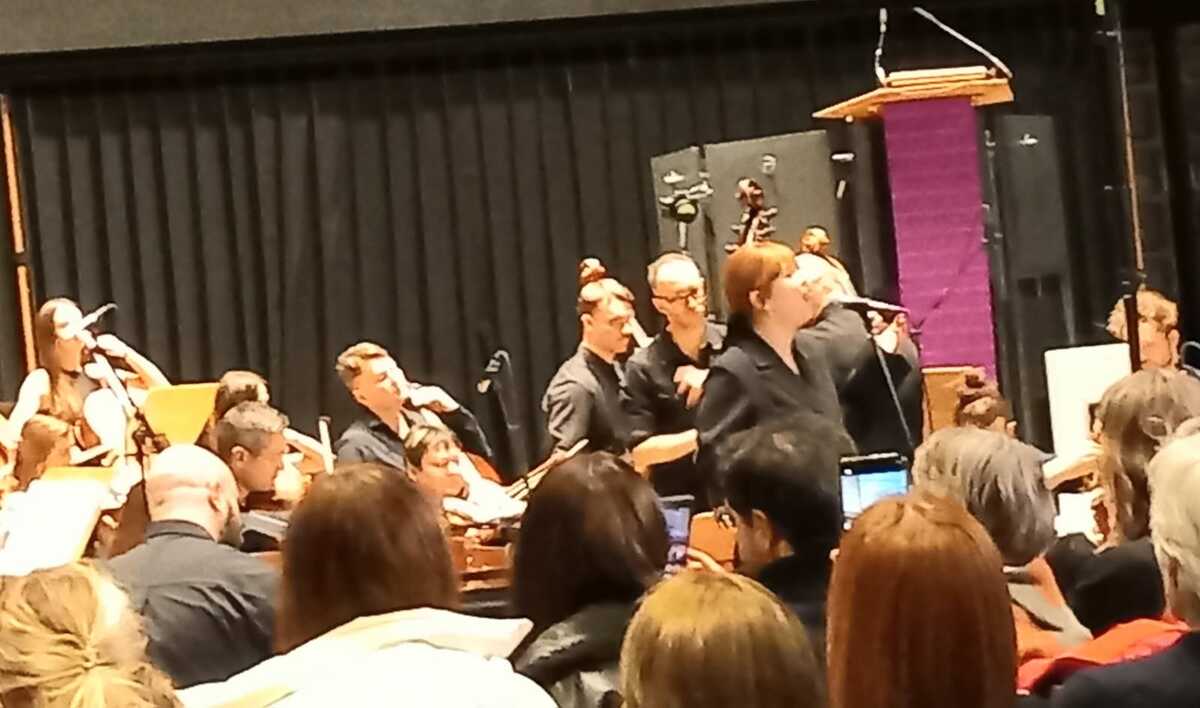
With the addition of singer Anastasiia Pokaz, the Studnitzky combo is strengthened to a sextet. Beforehand, Anastasiia Pokaz explains the cruel everyday situation in Ukraine under the conditions of the Russian war of aggression in English and Ukrainian. Nevertheless, this project also shows the will to live and survive of Ukrainian artists. Hence this tour through 11 German cities, hence these benefit concerts. A personal musical response is her singing, which she performs in Ukrainian. Her husband Antrii Pokaz's piano starts the song, the harmonic tone sequences have slight folkloristic associations. The strings whisper softly in the background and Anastasiia Pokaz's voice enters. A lyrical track, performed with great emotion. The rhythm section provides a selfless support, not swinging, but linear and discreetly rocking. A short horn solo, then the singer's engaged voice can be heard again and the short and poetic title breathes its last.
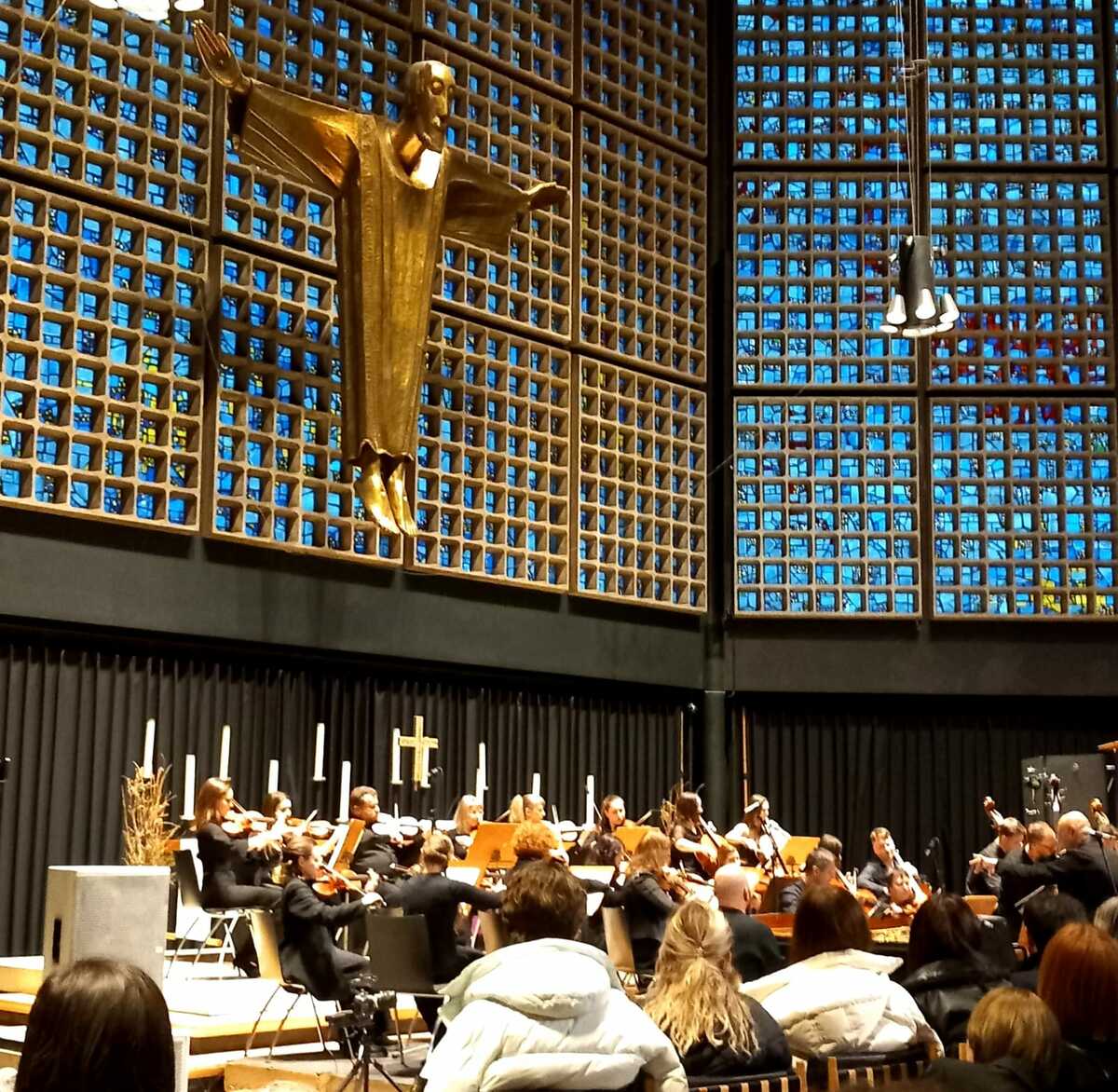
Flowing harmonies from the chamber orchestra, wave-like tone sequences in a romantic arrangement fill the cathedral-like hall of the Kaiser Wilhelm Gedächtnis Kirche, which has surprisingly good acoustics. The trumpet lays its lonely calls over these rising and falling waves of sound. Sebastian Studnitzky intensifies his playing, which becomes more expressive. Enriched with the first dramatic accents, however, his improvisations remain melancholy.
Memento, the title piece of the concert tour, manages - just like the other titles - to create a convincing synthesis between chamber music or symphonic music and contemporary playing styles from jazz, rock and new music. As far as the emotional aspects of the music are concerned, these soundscapes produce unavoidable goosebump effects. Sebastian Studnitzky switches from the trumpet to the piano, adds a few bars of solo piano and lets this passage gently fade away. Once again, a full sound takes over the room. The repetition of the theme is not the responsibility of the horn this time, but the cello from the chamber ensemble is allowed to take over this part, which is performed with bravura. This applies equally to the playing of the musicians in the ensemble and the conductor Volodymyr Digits.
One composition also focuses more on the musicians from the rhythm section. A short intro by the piano, then the strings join in briefly to immediately leave the stage to the rhythm section. A classic piano jazz trio now sets the tone. Not quite jazz-classical, as percussionist Bodek Janke has joined the "trio" and is not above supporting the sound with many "small" instruments such as bells, rattles, tambourine or whistle. The staccato-like, powerful strokes of Studnitzky's piano, who switched to the grand piano, support the accentuated and confident playing, which now places bassist Paul Kleber and drummer Margo in the well-deserved solo focus. The violins, cellos and bowed basses now play frankly and freely, completing this sound with melodic and harmonic elements. With rising and falling motifs, the symphonic waves crash onto the rocks in the rhythmic surf. Piano and trumpet harmonize in between. And because it is so beautifully moving, so emotionally gripping, there are short vocal sequences by Sebastian Studnitzky as an encore.
Outstanding tour dates:
14.5. Bremen, Die Glocke
15.5. Regensburg, Regensburg Theater
All proceeds from the tour will be donated to „Children of Heroes“ (https://childrenheroes.org/)